Whether you’re considering a visit to one of the official residences of His Majesty The King or just feel inclined to top up your knowledge on the British monarchy, we’ve put together some of the top facts that you might not know about these two famous royal landmarks:
Everything you need to know about Buckingham Palace
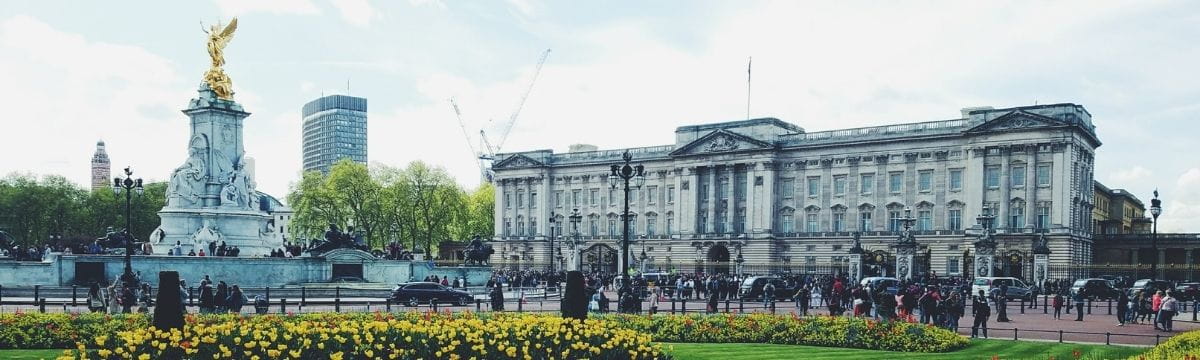
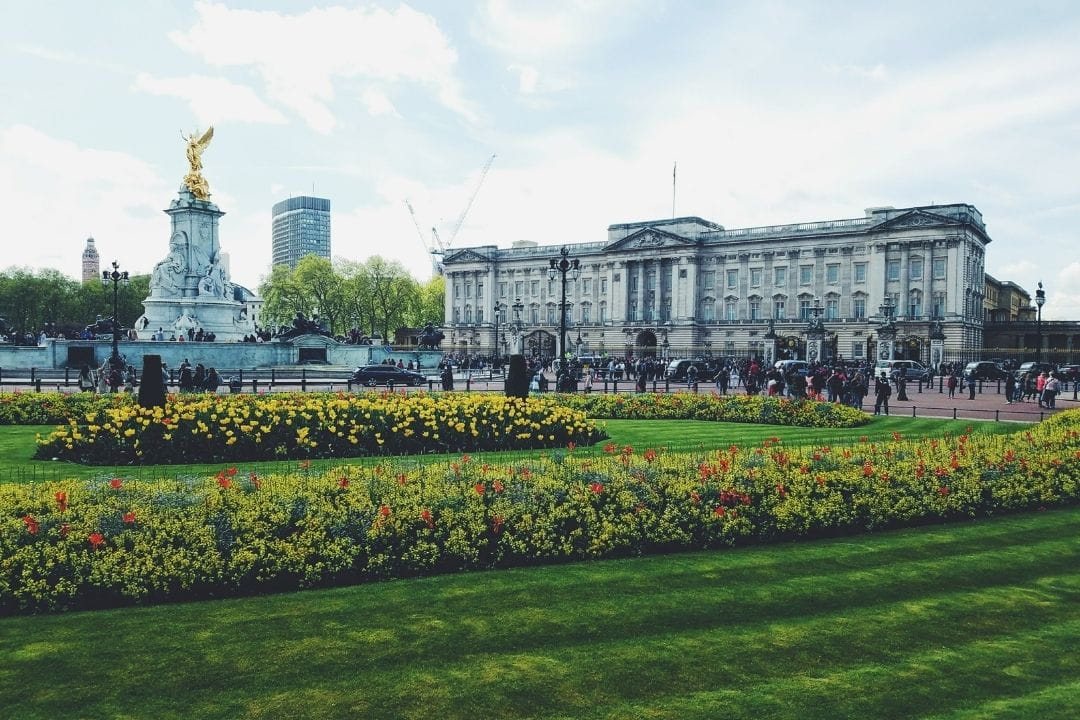
Buckingham Palace
Where is Buckingham Palace?
Buckingham Palace is located in Westminster, right in the heart of London and is one of the UK’s most famous landmarks. As the King’s official London residence, it attracts millions of visitors from around the world each year and is a must visit for anyone interested in royal history, grand architecture or classic London sightseeing.
How to get there: travel to London Victoria, then walk around 11 minutes to reach Buckingham Palace. You can also read our guide to trains to Buckingham Palace for more journey tips.
When was Buckingham Palace built?
Buckingham Palace was built in 1703 as a large townhouse for the Duke of Buckingham, under its original name, ‘Buckingham House.’ In 1791, the grand building was gifted to Queen Charlotte by King George III, coining the new name of ‘The Queen’s House.’
Who lives at Buckingham Palace?
The palace has been the home of many kings and queens over the years. In 1837, one of Britain’s most famous and longest reigning monarchs, Queen Victoria, made the palace her official residence.
These days Buckingham Palace is the primary residence of King Charles III, along with many of the royal family’s staff members.
Inside Buckingham Palace
Stretching across an area of 39 acres, Buckingham Palace features a whopping 775 rooms. There are 188 staff bedrooms, 92 offices, 78 bathrooms, 52 royal and guest bedrooms, and 19 state rooms. With so many rooms comes an extraordinary amount of windows and doors, 760 windows and 1,514 doors, to be exact!
Despite being situated right in the heart of the big city, you won’t ever catch the King nipping out to the bank. This is because the palace is essentially its own self-sufficient village, containing everything from a post office and a police station to a cinema and a GP surgery. The palace even has its own ATM, provided by the royal family’s bank of choice, Coutts & Co.
Buckingham Palace Guards
A must-see is the ceremony of the ‘Changing of the Guard,’ which takes place every other day just outside of Buckingham Palace at 10:45, lasting for around 45 minutes.
The guards are an iconic part of Buckingham Palace’s history and have been a permanent fixture at the palace since King Henry VII’s reign over 500 years ago. It’s incredibly difficult to become a palace guard, so only the best of the best will get a look-in. Soldiers must be highly trained and experienced in battle to qualify for the position.
Buckingham Palace Gardens
This monumental palace isn’t just huge on the inside, it also has the largest private garden in the whole of London. Around three garden parties take place each summer, where up to 8,000 lucky guests can check out the tennis court, lake, and helicopter landing within the garden.
Interesting facts about Buckingham Palace
The royal flag shows when the King is home
An interesting fact about Buckingham Palace is that the flag above the palace can tell you whether the King is in residence:
When the Royal Standard is flying, it means the monarch is at home.
If the Union Jack is raised instead, the King is away.
The same tradition also applies at Windsor Castle, making it a simple way to spot whether the monarch is in residence at either royal landmark.
Buckingham Palace survived World War Two bombing
Even Buckingham Palace did not escape the impact of World War Two. The palace was bombed several times, but King George VI and Queen Elizabeth chose to remain in London rather than abandon their royal residence. One air raid destroyed the palace chapel and the space was later transformed into the Queen’s Gallery, which visitors can still explore today.
Buckingham Palace has secret tunnels beneath it
One of the more mysterious facts about Buckingham Palace is that secret tunnels are said to run beneath the building. According to royal stories, when King George VI and the Queen Mother explored them, they allegedly came across a man from Newcastle living below the palace, adding a rather unexpected twist to its history.
Buckingham Palace Tours
From the end of July to the end of September, the King moves out of the palace, giving tourists and keen royalists the chance to explore the palace’s extravagant State Rooms and prestigious galleries. Tours last around two to two-and-a-half hours, giving you plenty of time to soak up the palace’s sheer beauty.
Buckingham Palace tours are incredibly popular, so make sure you book ahead through City Wonders, where you can also find tours for Windsor Castle to complete your day of Royal sightseeing.
Facts about Windsor Castle
Where is Windsor Castle?
Located in Windsor, just outside of London in the county of Berkshire, Windsor Castle is open to visitors all through the year and is conveniently located just 20 miles west of Buckingham Palace. So how far is Buckingham Palace from Windsor Castle? The two royal landmarks are around 20 miles apart, making it easy to visit Windsor as part of a royal day out.
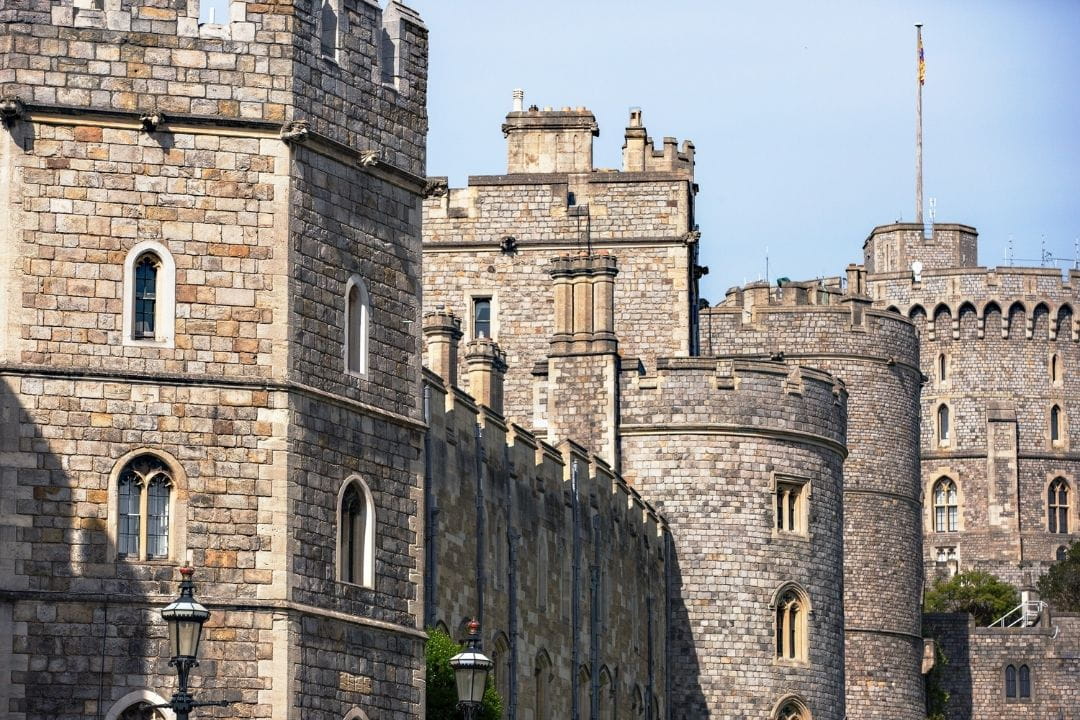
The magnificent castle has been a royal residence for more than 900 years, and is the oldest and largest occupied castle in the world. Windsor Castle is a must-visit for both history enthusiasts and royalists alike.
When was Windsor Castle built?
Windsor Castle dates back to Saxon times and was built by William the Conqueror in 1070. It took a total of 16 years to complete the castle, which occupies an impressive 13 acres of land on the south bank of the River Thames.
The castle has seen many refurbishments in its time, with its most lavish features coming from King George IV, who built the grand entrance and staircase at the State Apartments.
Inside Windsor Castle
From its luxurious banquet area to the stunning crimson room, Windsor Castle’s interior is just as breathtaking as the exterior. There are over 1000 rooms and 300 grand fireplaces in total, with the floor area totalling an approximate 484,000 square feet—and that’s not all the castle has to offer.
One of the most popular rooms to explore is the room containing Queen Mary’s dollhouse. Built in the 1920s by over 1500 craftsmen, the Windsor dollhouse is undoubtedly one of the world’s largest and most elaborate miniature homes. Inside the model home, you can find running water, electricity, flush toilets, lifts, a fully stocked wine cellar and a miniature library filled with original handwritten stories.
The Grounds at Windsor Castle
Covering over 52,609 square metres of land, the elaborate grounds at Windsor Castle combine the features of a fortification, a palace and a small town. Look out for castle defences like battlements, towers, arrow loops and murder holes as you take a tour of the castle walls, and don’t forget to witness the ‘Changing of the Guards’, which usually takes place at 11:00 on Tuesdays, Thursdays and Saturdays.
Another must-visit is St George's Chapel, where you can find the graves of 10 kings, including Henry VIII, Charles I, and Elizabeth II. The chapel is one of the finest examples of Gothic architecture in England and has been the location of many royal weddings, including the marriage of Prince Harry and Ms Meghan Markle.
You should now have all the knowledge you need to prepare you for your trip to Buckingham Palace and Windsor Castle! Explore our flexible range of ticket types to find the best one for your journey, or find out more about trains to London and trains to Windsor.
Lesser known Windsor Castle facts
Windsor Castle has hundreds of clocks to look after
A lesser known detail in Windsor Castle facts and history is just how much effort goes into keeping time. The castle has hundreds of clocks, many of them historic and delicate. When the clocks change, the King’s clockmaker has to adjust them by hand, a task that can take many hours to complete.
Windsor Castle survived a major fire in 1992
One of the most dramatic facts about Windsor Castle is that it suffered a devastating fire in November 1992. The blaze destroyed nine state rooms and badly damaged around 100 others, taking more than 200 firefighters over 15 hours to bring under control. Luckily, many artworks and historic pieces had already been removed because renovation work was taking place at the time. The restoration took five years to complete and helped return the castle to its former grandeur.
The Royal Family took its name from Windsor Castle
The Royal Family’s modern name actually comes from the castle itself. Before 1917, the royal house was known as Saxe Coburg and Gotha, but during World War One, King George V changed it to Windsor because of growing anti German feeling in Britain. It is one of those Windsor Castle facts and history details that shows just how closely the castle is tied to the monarchy.
Plan your visit to royal landmarks with SWR
You should now have all the knowledge you need to prepare you for your trip to Buckingham Palace and Windsor Castle! Explore our flexible range of ticket types to find the best one for your journey, or find out more about trains to London and trains to Windsor.
The Best Tennis Courts in London for Your Next Match
Looking for the best tennis courts in London? Explore top venues across Central, North, South and East London, with convenient travel options from SWR.
Find sober date ideas in London couples will love, from alcohol-free bars and pottery to VR, cinema and romantic date ideas without alcohol. Travel with SWR.
What are the best immersive dining experiences in London? The city’s themed restaurants, immersive shows and interactive dining make dinner an experience.
From beautiful beaches, the Wimbledon Tennis Championships, Pride events, food and music festivals and much more, see the best things to do in July on the SWR network.
From music festivals and the Chelsea Flower Show, to free outdoor activities like scenic bike rides, wildflower wandering and more, here’s what’s on in May in London and the South West.
Cheap Day Out in London: How to Spend the Day on £50
Planning a cheap day out in London? Travel with SWR and follow this £50 itinerary with tasty lunch deals, fun experiences and budget-friendly attractions.
Looking for things to do in Devon for a perfect slow Sunday? Take your time exploring quiet beaches, harbour towns and scenic corners. Travel with SWR.
From International Women’s Day, Mother’s Day, and St. Patrick’s Day celebrations to spring flower walks and more, here’s your guide to what’s on in March in London and the South West.
Top Christmas shopping spots in London and the South West
Shopping at Christmas can be a magical experience with festive lights and dazzling window displays at the top spots. Read our guide here. Travel with South Western Railway.
From events and services to activities and concerts, there are plenty of great Remembrance Day events in London. Read our guide. Plan your travel with SWR.
Whether you’re into tennis or yoga, nothing clears the mind like fresh air and exercise! Read our list of the best outdoor activities to boost your mood here.
Family-Friendly Things to Do in the South West During Half Term
Whether you’re looking for rainy-day activities, budget-friendly fun or want to get out in nature, get inspired with our guide to the top half-term events the South West offers.
Discover the best trips for solo travellers in South West England. From beaches and city breaks to top locations for history buffs, SWR has your trip covered.
Whether you want to visit real TV and movie sets, take a studio tour or plan an action-packed day walking in the steps of your favourite characters, we have you covered.
Looking for things to do in London this autumn? Don’t miss London Cocktail Week! Whether you’re a cocktail connoisseur or hoping to discover your new favourite tipple, there’s something for everyone to enjoy.
The best vegan and vegetarian restaurants in the South West
Embracing a plant-based diet? Travel with SWR and explore the best vegan and vegetarian restaurants that the South West has to offer. Read our guide here.
Discover the UK's grandest stately homes, just like those featured in Bridgerton. Explore South Western Railway's in-depth analysis of top estates, ranked by reviews, search volumes, TV appearances, and more.
From cheese rolling to bog snorkelling, explore the wild and wonderful unique sporting events the UK has to offer, including those hidden gems in the South West.
Ready to learn about the wacky and the weird? Our list of quirky London museums covers everything from Freud to fans! Get there with South Western Railway.
Ready to challenge yourself? There are so many great events happening every year, so we’ve compiled a list of the best half marathons in the South West here.
6 super romantic London restaurants that will steal your heart this Valentine’s Day
Looking to raise the bar this Valentine’s Day? Here before you are six restaurant recommendations guaranteed to give your dinner date the wow-factor it deserves.
Live your best life in 2024 with these super fun London activities
Unlock the door to an unforgettable experience in London and discover a plethora of exciting activities that will make your 2024 an unforgettable year.
6 festive foods in London you need to try this Christmas
If you're in London during the Christmas season, make sure to indulge in the festive cuisine the city has to offer. Here's a list of six delectable foods that are a must-try during the holiday season.
5 Things To Do In London That Are A Little Bit Different
Whether it’s learning a new skill or simply experiencing London from a new perspective, these quirky activities are a great way to expand your horizons.
The best Christmas markets in London and the south west
Christmas markets are coming to town! From mulled wine and mince pies, to antique treasures, dazzling lights and more, London and the South West’s markets are bound to impress this festive season.
What’s on in November in London and the South West
From Diwali celebrations and Remembrance day events, to Christmas markets, Bonfire Night and much more, here’s what’s on in November in London and the South West.
Live your best independent life in London with these solo activities
Spending time alone shouldn’t just be used for life admin - with these fun solo London activities you’ll be well on your way to becoming your own bestie.
12 Cool And Quirky London Instagrammable Spots That’ll Jazz Up Your Feed
Explore 12 unique and Instagram-worthy locations in London with South Western Railway. These spots are guaranteed to add a cool and quirky touch to your social media feed.
From exploring the rich cultural heritage of the city to enjoying its vibrant nightlife, here are six activities that you can participate in to make the most of your London adventure.
Here’s how you can spice up your weeknights in the city
If you're seeking to add a dash of excitement to your weeknights in the bustling city, there are several options to consider. Here are a few ideas that may pique your interest and make your evenings more memorable.
Looking for some romantic ideas for your next outing in London in 2023? Here are eight delightful date ideas that will make your time in the city unforgettable.
6 Excellent Cultural Activities To Enjoy In London Right Now
London is currently offering a plethora of exceptional cultural activities for you to indulge in. There are six noteworthy options that stand out, each with its own unique charm.
9 London wellbeing practices that will benefit your mind, body and soul
Whether it's roaming through the treetops or taking a soothing sound bath, there’s so many fun and fulfilling ways to look after your wellbeing in London.
From coastlines to woodlands, the South West is one of the best places to get married in the UK. With our list, might find the wedding venue of your dreams!
Ready for some retail therapy? London has some of the best shopping centres and high streets for you to explore! Check out our list here. Get there with SWR.
From stunning bike routes, kid-friendly activities, scenic gardens, beautiful coastlines, and more, here are our top budget-friendly April days out recommendations






.png?w=20&h=20&hash=8EE8FE1B69EF7FB608C08613D89428F7)
.png?w=20&h=20&hash=FCE6A4CC0C4D61133E443B1FD6F4FB60)

.png?w=20&h=20&hash=B60928C060FC787928AC90D0028266D4)


.png?w=20&h=20&hash=EDBFEFD5D518DD4DA72198B2F1DDEA0E)

.png?w=20&h=20&hash=F79B85957EE229E9B50BDDCB6FC808FD)
.png?w=20&h=20&hash=3E841EB29135C1E43E492F89D1F0A8BB)


.png?w=20&h=20&hash=A90EF0B806BF871440AFD90390114A34)
.png?w=20&h=20&hash=C3C8A0B96B7D8B62564734CE8DF0B0B8)
.png?w=20&h=20&hash=503CB4F51CB573D35E27E47FA7EC5586)


.png?w=20&h=20&hash=D12A4C36945472C5C44C8CC715B90635)


.png?w=20&h=20&hash=9D8A430AD621C6DFD3CBB6976469F067)


/untitled-design-(20)/untitled-design-(21).png?w=20&h=20&hash=6B2E8232AFFBFCD1E3E25A0EC5ED4130)


.png?w=20&h=20&hash=3B732D2B9B03729DC7E55489BCCE3C59)


.png?w=20&h=20&hash=F30E372235F20F59CCF1EBCF7A77FAEA)
.png?w=20&h=20&hash=C3087DBE7E0B4B98535F78245786B959)


.png?w=20&h=20&hash=6579468D79244EA2FEFA4F380673A153)


.png?w=20&h=20&hash=95C7078AC31A4E274539941C2DBF9A0A)


.png?w=20&h=20&hash=724F94F37B30688C93EE3E52826515FA)


