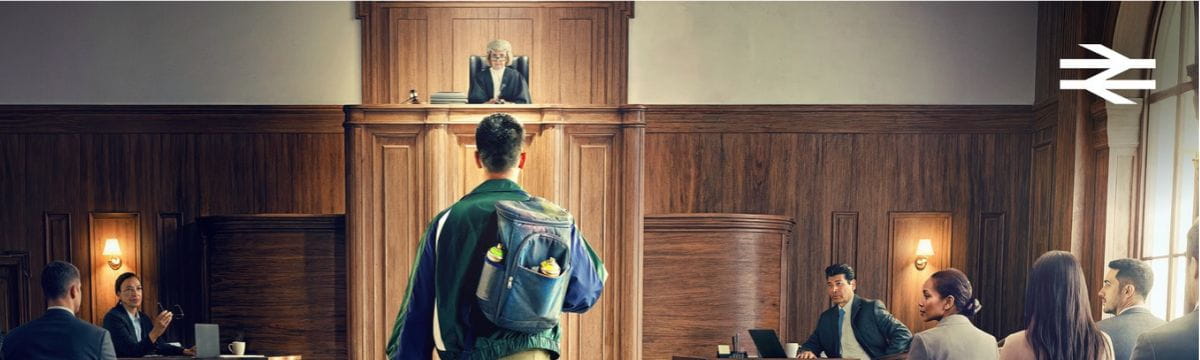
- Trespassing to obstruct and vandalise the railway caused 9,437 minutes’ worth of delays on the South Western network and more than 137 days of delay across Britain’s railway network last year
- South Western reported the third highest rate of trespass across the industry, with data showing trespass and fatalities account for almost 14% of delays on the route
- Automated drone technology launched at London Waterloo this year is helping trespass-related delays
- South Western Railway and Network Rail Wessex will be the first integrated track and train business to apply for the new Safer Railway Scheme accreditation• New figures released as part of rail industry and British Transport Police campaign, ‘Crime with Consequences’, which aims to tackle trespass and railway crime
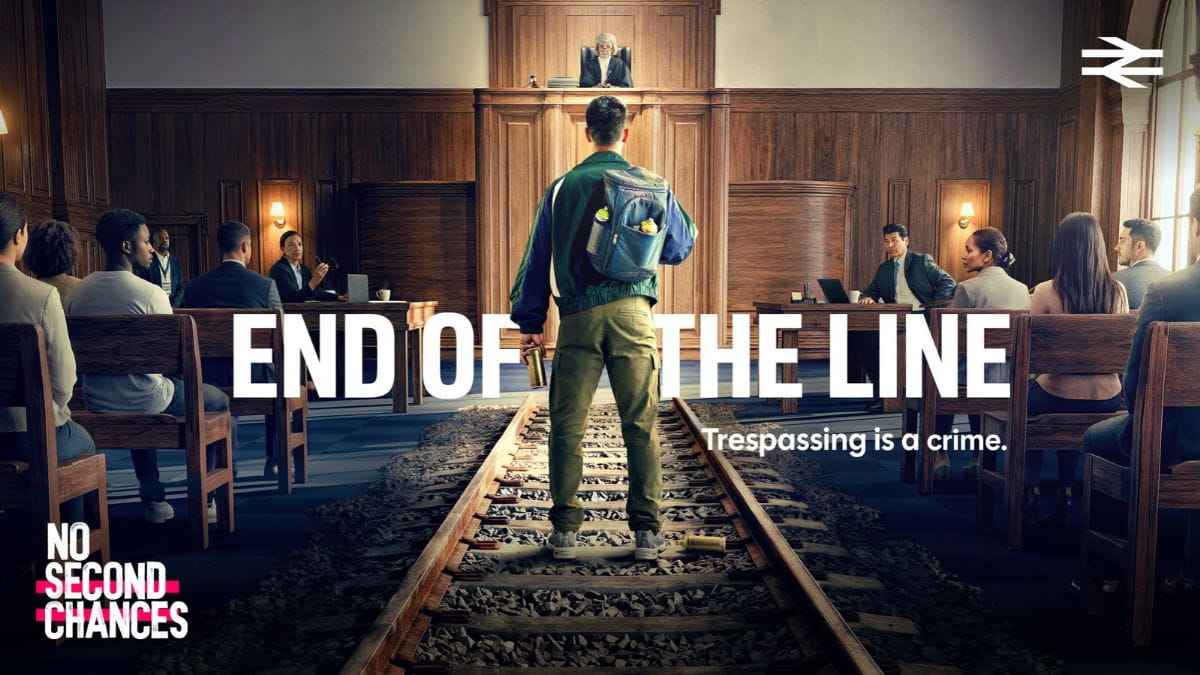
NEW figures released by Network Rail and British Transport Police (BTP) reveal that trespass caused 9,437 minutes, equivalent to around six and a half days of delays to customers across the South Western network last year.
Nationally trespass, cable theft and obstruction caused more than 3,300 hours of delays, making it one of the railway’s biggest causes of disruption, with a significant impact on customers, freight, railway colleagues and local communities.
Some trespass incidents can require a substantial industry response and come at a considerable financial cost. Across the industry, vandalism and deliberate obstruction cost over £4 million in delay costs in 2025/26.
South Western had the third highest rate of vandalism and obstruction - which includes deliberately placing items such as debris and even other pieces of track on the railway - across Network Rail’s 14 routes.
Trespassing on the railway is extremely dangerous. On the South Western network, most trains are powered by an 'always on' electric third rail carrying 750 volts of direct current, which can cause severe, lifechanging injuries – or death.
Trespassing is also illegal, and the new campaign ‘Crime with Consequences’, which highlights the serious consequences for offenders, is part of an industry crack down on trespassers committing crime on the railway.
Part of the enhanced collaboration will see improved evidence collection to strengthen prosecutions, as well a greater focus on victim impact statements to help demonstrate the impact of delays caused by railway crime.
Across the network, drones, sensors and smart CCTV are also helping Network Rail and the BTP identify and catch offenders faster and more consistently.
At London Waterloo, South Western is now using an automated drone to tackle trespass, inspect infrastructure faults and reduce disruption.
Operated remotely from Southampton, the drone provides live, high resolution and thermal imagery, allowing incidents to be assessed before teams reach the site. This can reduce the need for colleagues to access the track and help minimise delays.
Separate data from South Western shows trespass and fatalities caused almost 14% of cancellations across its network between April 2025 and June 2026.
The Waterloo drone is the first of a planned network of drones, with further units planned for Clapham Junction, New Malden and Walton-on-Thames.