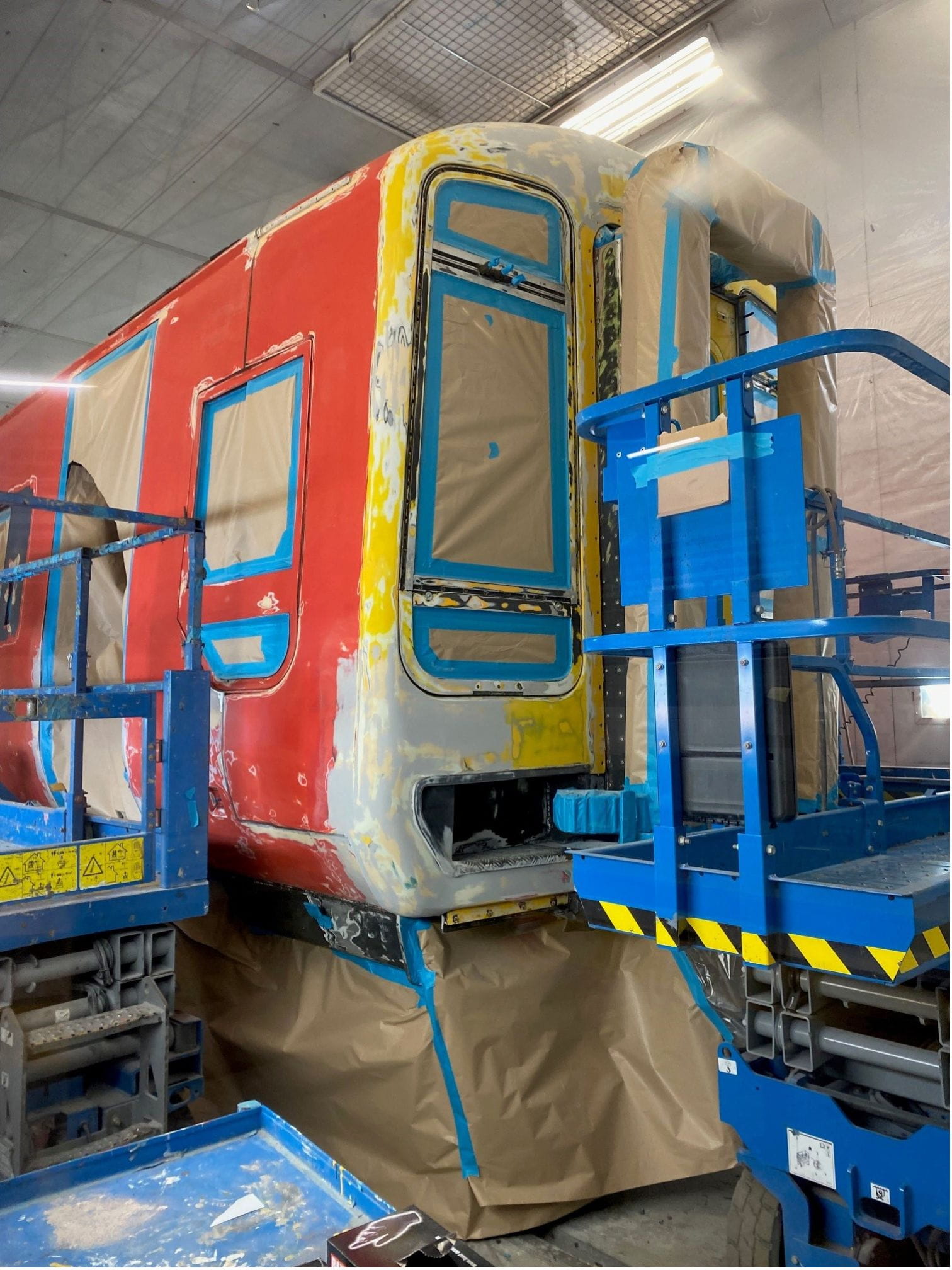
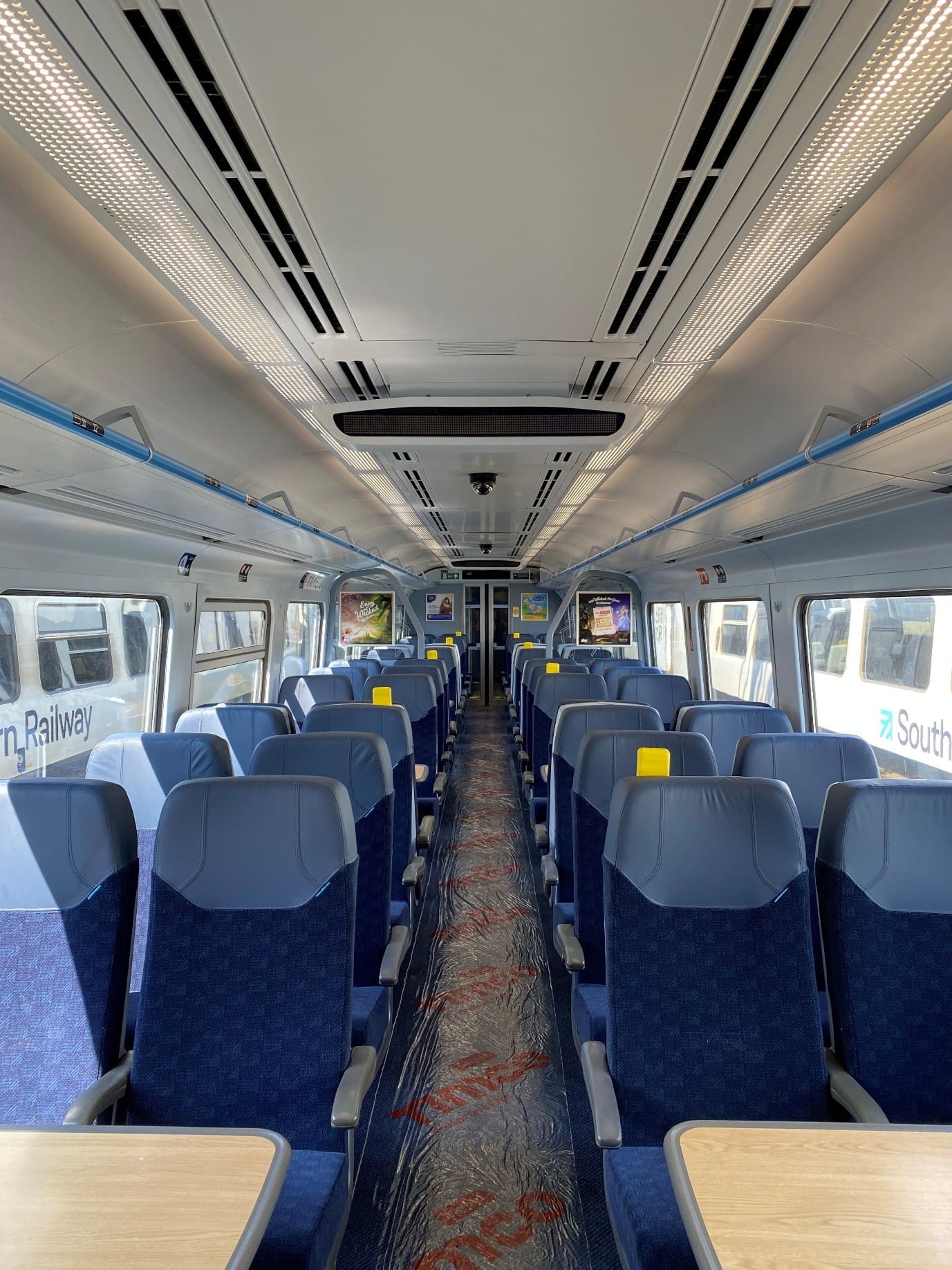
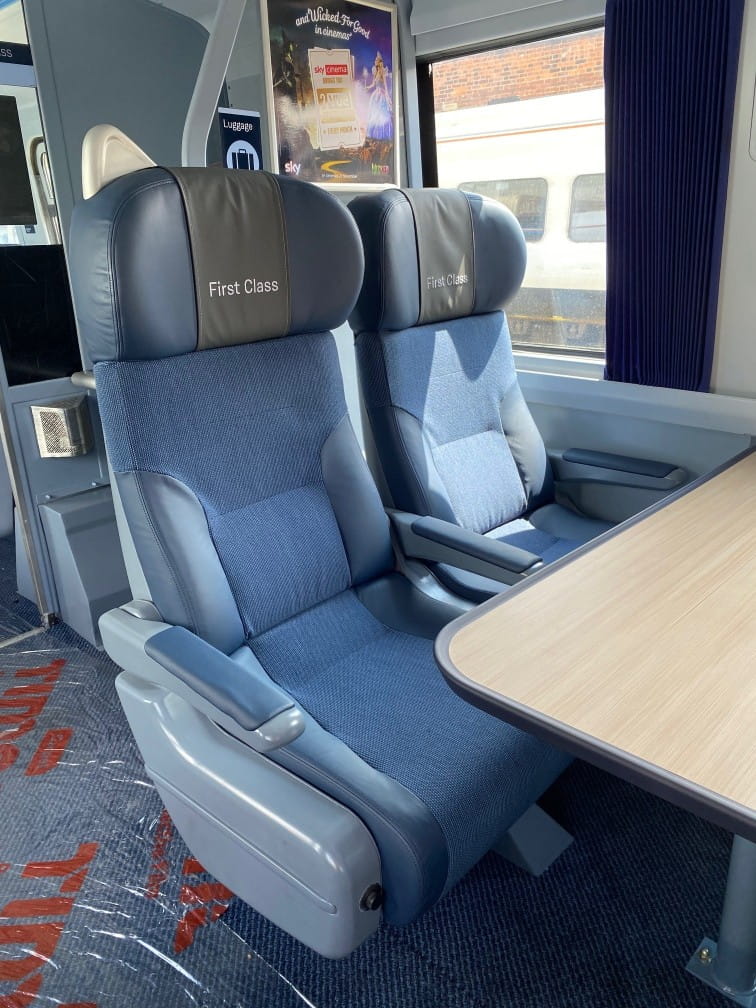
The photos above show the first train being prepared for its updated livery along with the newly refurbished seats in Standard Class and First Class.
While refurbishment work has started it will take several years for the full fleet of trains to go through the programme. Because we must balance this work with having enough trains in service, some trains will not be fully refurbished immediately and will have further improvements made at a later date.
Availability of trains
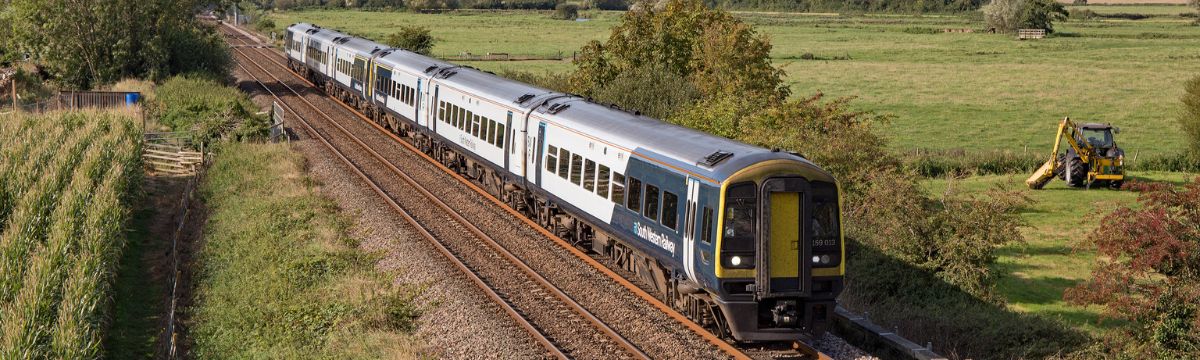
Our Class 158 and Class 159 trains have required additional maintenance in recent months, which has affected their availability.
We, and other UK operators of similar trains, have experienced problems with engine parts and wheelsets. Defects and failures that would typically be expected later in their service life are happening much sooner, and we are having to remove trains from service until they are fixed to keep our services running safely and reliably.
We are working with external suppliers to resolve problems with our engines, but there are some challenges to sourcing replacement wheelsets, as our suppliers deal with the impact of global supply chain delays. There are also only a limited number of suppliers for some of the key parts that we need due to the age of the fleet.
When fewer trains than normal are available we make every effort to prevent services from being cancelled, however this can mean that trains run with fewer carriages than normal. We know this can make our services much busier than normal.
We are working with the industry to identify additional rolling stock units that could operate on the route and relieve pressure on our constrained fleet.
We know that when trains run with fewer carriages than usual it can make our services much busier than normal, and we are sorry if you have experienced any discomfort as a result.
Air conditioning
The air conditioning systems on our Class 158 and Class 159 trains were designed around 40 years ago, before the extreme weather that we are seeing now. As a result, very high temperatures like we have seen in the recent heatwaves can reduce their effectiveness or prevent them from working altogether.
While we will make improvements as part of our refurbishment programme, we cannot change the systems’ fundamental design capability. Instead, we are making every effort to ensure these systems work to the best of their abilities through a range of measures, such as consistent maintenance, ensuring our colleagues know how to deal with any problems that might occur, and by keeping doors and blinds closed.
When the air conditioning systems are not working, we also aim to provide bottled water and open windows. We are sorry for any uncomfortable conditions you may have experienced when travelling on these trains in hot weather.
Longer term modernisation
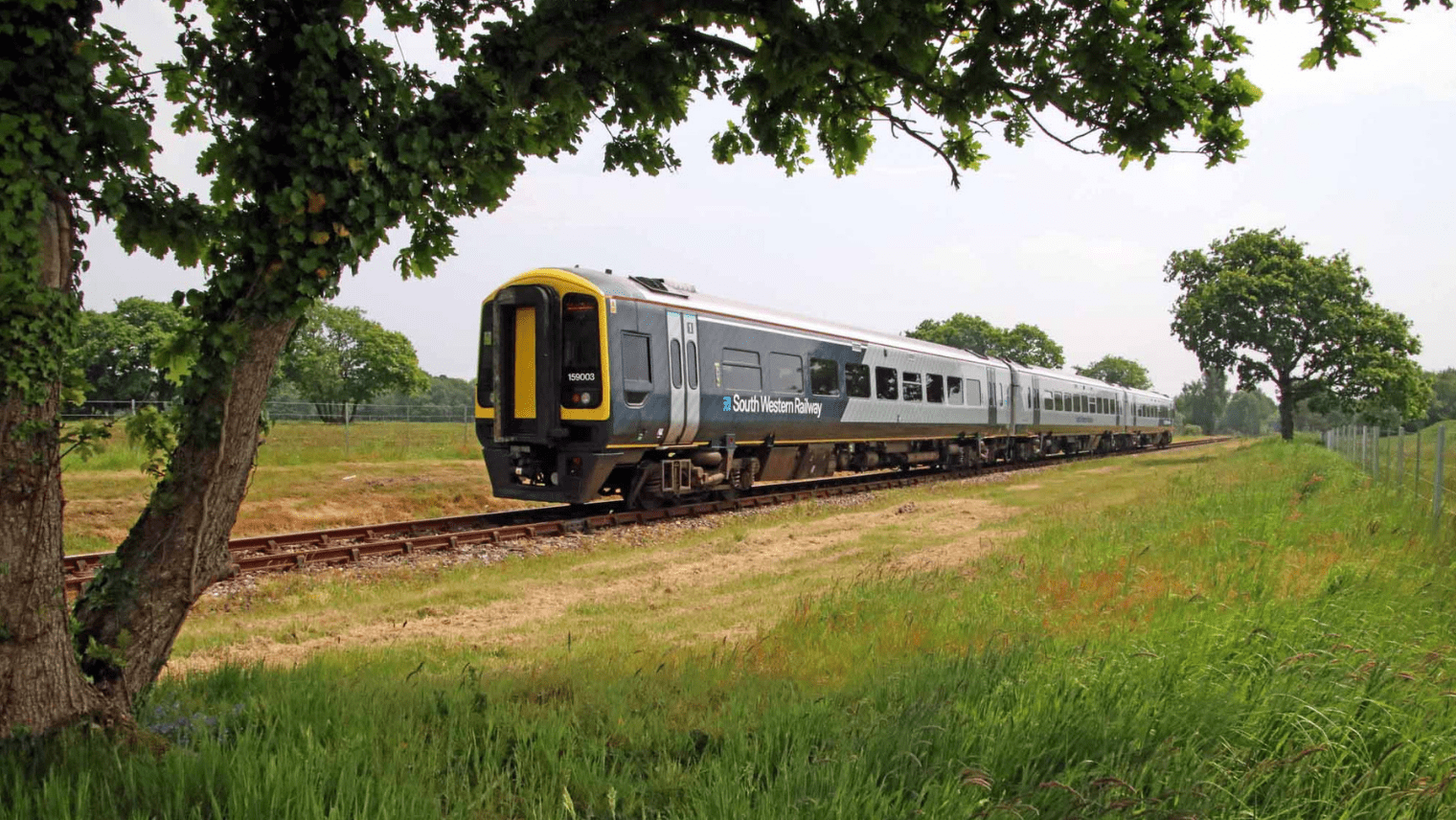
We are developing a long-term plan to modernise the West of England line, planning train services, the trains we use, and infrastructure modernisation, together in a ‘whole system’ approach that could include additional sections of double track to improve performance and resilience, and some additional services.
We are working closely with local stakeholders to refine the options, review potential third-party funding opportunities and enhance the various elements' business cases.
We have developed a wide range of options and are carefully analysing each. The options with the strongest case - considering affordability, growth, decarbonisation, economic value and reliability - will be taken forward for further development in conjunction with the Department for Transport. Because the line serves a diverse range of communities and needs, there will need to be consensus amongst stakeholders about the options for further development.
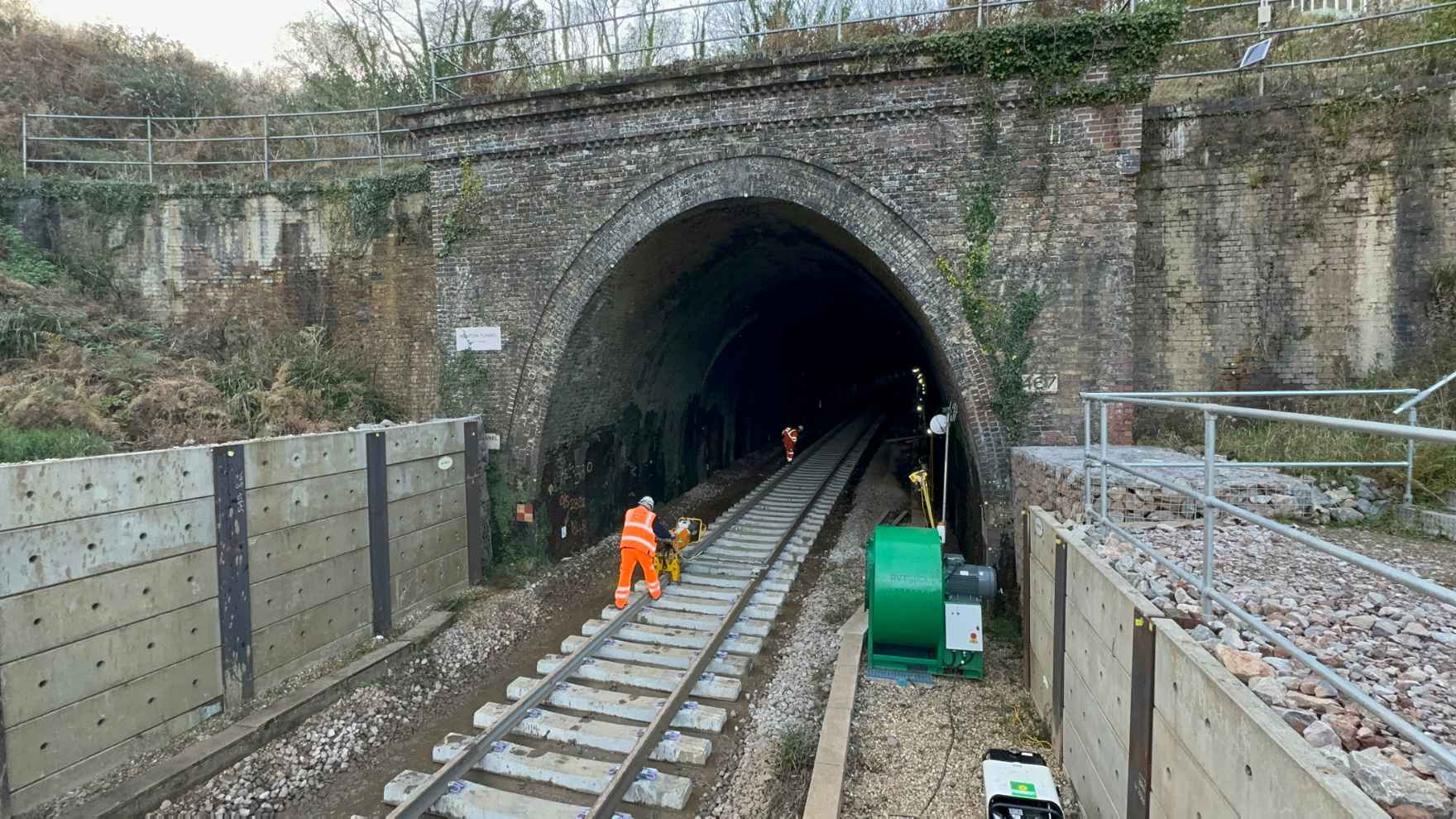
Alongside this we are continuing to invest in the maintenance of the line which includes provisional plans to replace signalling in the Salisbury area within the next 10 years.
Station improvements
We have a rolling programme of station improvements, from re-painting stations to installing new facilities and customer information systems, and are working with local stakeholders to improve onward connections and accessibility.
Improving facilities
In 2025, alongside Wiltshire Council, we unveiled the newly remodelled forecourt at Salisbury, our flagship station on the West of England line and a key interchange with services to Bristol, Bath, Southampton and Portsmouth.
As part of a £5.5 million investment from the Future High Streets fund, the front of the station was transformed through extensive landscaping with new trees and shrubs, stylish street furniture and intuitive wayfinding, to create a more welcoming, accessible, and vibrant gateway to the historic cathedral city for visitors and residents.
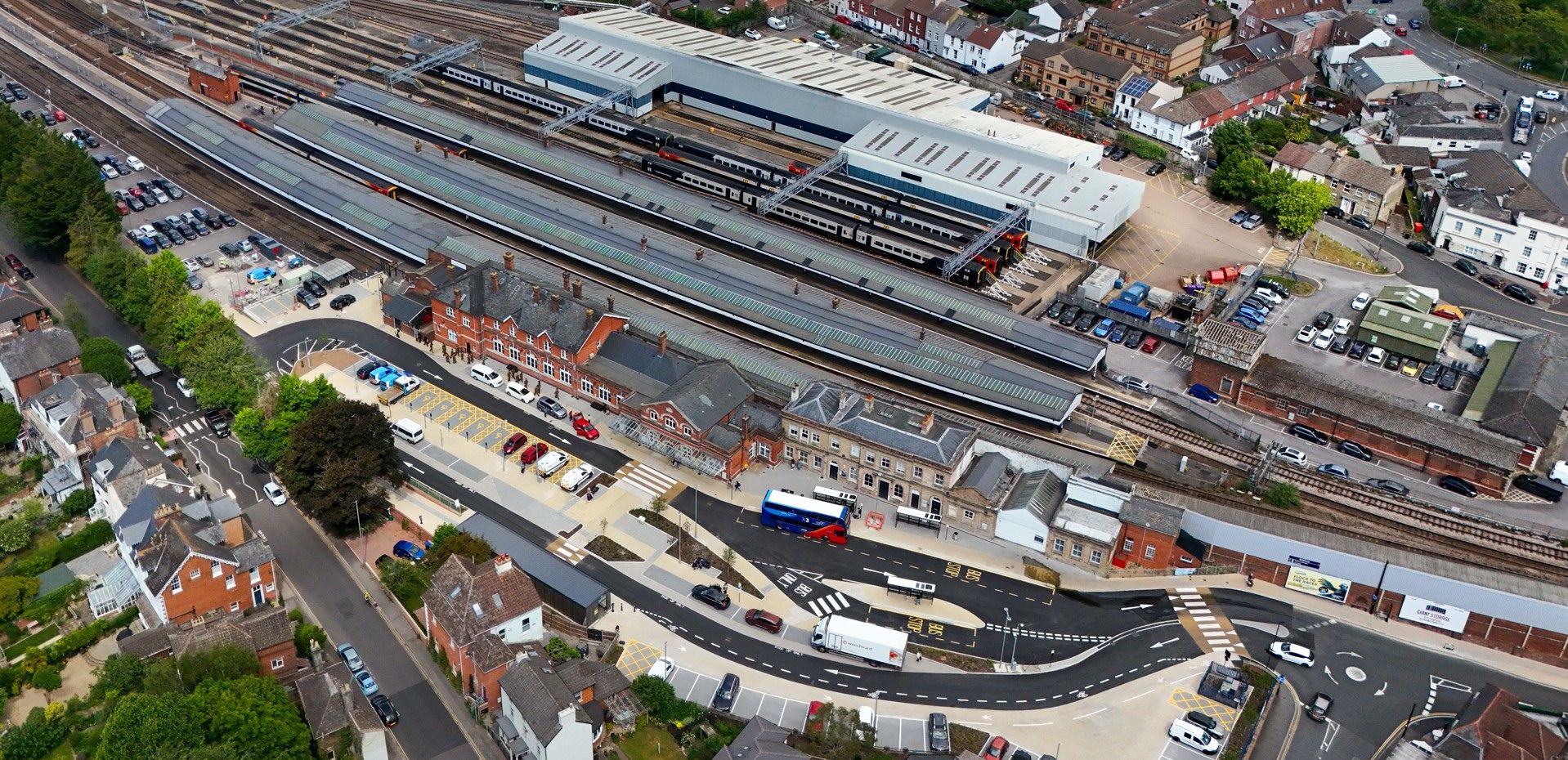
One of the major benefits has been the improved access for buses to the station alongside customer facilities including waiting shelters and real time information screens. This has led to new bus services at the station, and more are planned.
Also at Salisbury, we have recently refurbished the customer toilets on platform 4, while in the booking hall we have opened a new Gourmet Coffee shop. We understand our customers and stakeholders’ views on catering, which is why we are working closely with local businesses to improve options at our stations. The operator of the successful Railway Kitchen at Axminster has recently opened a branch at Honiton, with extended opening hours and an attractive range of food and drink. In the longer term, we are also looking carefully at the feasibility of on-board catering.
Further down the line we have repainted Gillingham, Honiton and Feniton stations, repainted the platform canopy at Axminster, and refurbished the waiting rooms at Gillingham and Feniton.
Improving customer information
We know how important it is to provide clear, easy to understand and easy to access information at our stations, which is why we have installed new customer information systems at four of our stations recently.
New customer information systems can be found in the booking hall and on platforms 2 and 3 at Salisbury, while at Honiton, Axminster and Yeovil Junction, we have installed new, interactive information totems.
Improving connectivity
In September 2025 we worked with Wiltshire Council and GWR to introduce a new on-demand bus service that connects Gillingham, Tisbury and Warminster stations to locations in South West Wiltshire including major attractions such as Stourhead (National Trust), Old Wardour Castle (English Heritage) and Longleat.
Axminster and Honiton are two of the key interchange points of a bus and rail integration programme we are developing on the Jurassic Coast. The comprehensive programme will include improved ticketing, new bus services and improved information, alongside wide-ranging promotional activity such as social media and an upgraded website.
Improving accessibility
As part of the Department for Transport's Access for All programme, we are working with Somerset Council and other local partners on a detailed design for an accessible footbridge at Yeovil Junction.
The design is expected to be complete by the end of Autumn 2027 and, if our proposal to the Department of Transport is successful, the scheme will progress to deliver step-free access at the station.
An accessible gate has also been installed at Feniton.