London Waterloo Station Facts You Probably Didn’t Know
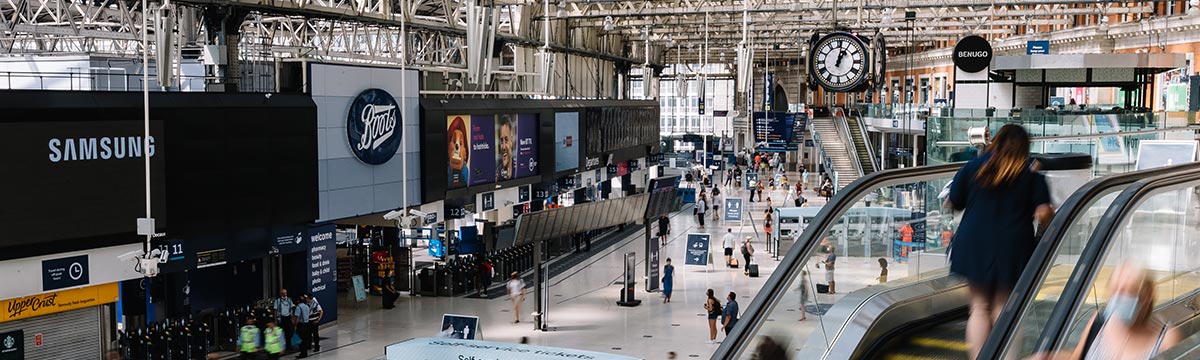
As the second busiest railway station in Great Britain, Waterloo sees around 70.4 million entries and exits annually (2024-2025), making it one of the UK’s busiest transport hubs. You’ve probably taken a trip through London Waterloo station at least once in your life, especially if you live and work in the capital. But as you go through the motions of the daily commute, how often do you stop to really take a look at your surroundings?
Waterloo isn’t short of history or character, having first opened its doors to travellers back in 1848. Initially, the station only had six platforms, but it was a busy thoroughfare even then, particularly with those journeying to and from Epsom Racecourse.
Believe it or not, Waterloo station has been used for much more than just passenger travel. Over the years, it’s functioned as a cinema, a filming spot for an infamous novel, and was even a transportation hub for dead bodies! Read on to discover fascinating facts that reveal the history and hidden details of this iconic London station.
Secrets about Waterloo station you didn’t know
1. Britain’s biggest and busiest station
As the biggest UK station by volume and boasting the greatest number of platforms, it’s no surprise that Waterloo claims a spot as one of the busiest train stations in Great Britain. No matter what time or day you visit the station, it’s guaranteed to be bustling with a hubbub of commuters and travellers catching their train or zooming through London on the Underground. In fact, Waterloo used to be a through station to Kent with a railway line running through the concourse, so it’s always been busy. And with around 70.4 million entries and exits recorded in 2024-25, ‘busy’ might be a bit of an understatement!
Where would we be without London’s speedy and efficient Tube? Providing you with a quick and convenient way to get from A to B, Waterloo Underground station continues to rank among London’s busiest Tube stations, with St. Pancras pipping it to the top.
2. Waterloo’s Confusing Platform Story
Among the more surprising Waterloo station facts is how confusing its old platform layout used to be. During the 19th century expansions, several platforms ended up sharing the same number, and Platform 1 even sat in the middle of the station. This mix up gave Waterloo its long-lasting reputation as a true “bewildering labyrinth.”
3. The Death Train
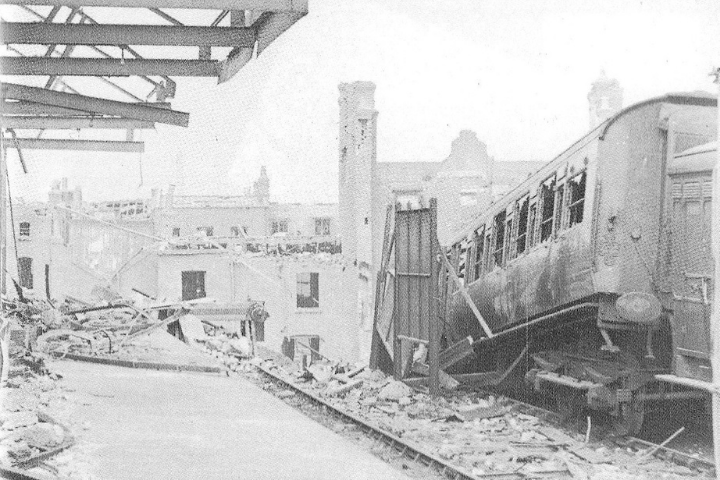
The remains of the London Necropolis Railway terminus station
Here’s a slightly ominous fact for you: Waterloo station was once used to transport hundreds of bodies! The moving of corpses began back in the 1850s, when London’s cemeteries started to get worryingly overcrowded, creating the need for bodies to be buried further afield.
When London’s cemeteries closed in 1851, the quick-thinking Londoners soon created a purpose-built railway line to deal with the problem: the London Necropolis Railway. This line transported bodies, alongside their friends and family, over to Brookwood Cemetery in Surrey. What a grave affair!
4. Part of the station is listed
With all its history and character, it’s hardly a surprise that part of Waterloo train station is listed. The magnificent main entrance (known as Victory Arch) features sweeping stone steps leading up to an impressive archway, as well as a large clock siting on the face of the building. On each side of the arch you can see figures representing war and peace, and atop it is Britannia, bearing the torch of liberty.
These historic features are Grade II listed and have been an iconic symbol of Waterloo railway station for decades. If you’re a bit of a history buff, it’s worth paying a visit here even if you’re not planning on catching a train!
5. There were requests to change the station name
Waterloo station gained its name from the surrounding area, which became known as ‘Waterloo’ after the Battle of Waterloo in 1815. However, not all passengers were happy with this name choice!
Back when the Paris-bound Eurostar used to depart from London Waterloo, there were protests by French passengers about the station’s name. They argued that it was an unnecessary reminder of the famous battle between the two nations, and pushed for it to be changed to something less controversial. The complaints even led to claims of a French politician formally requesting a name alteration from Tony Blair, however this was later denied.
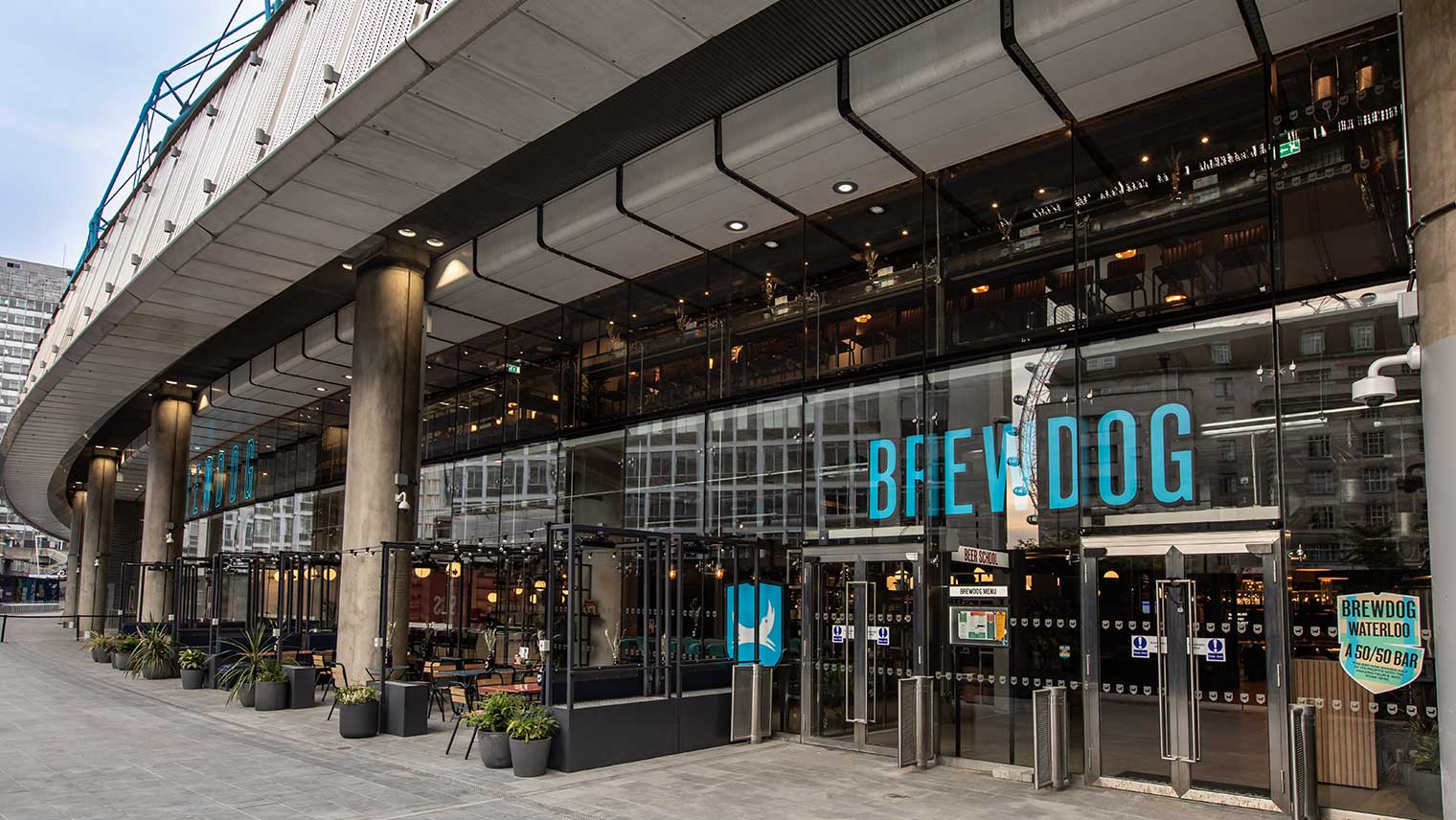
The former London Waterloo Eurostar terminal reopened in December 2018 as part of a £800 million refurbishment of the station and now includes The Sidings Waterloo, one of the UK’s best-connected retail and leisure destinations.
BrewDog Waterloo at The Sidings
6. The ABBA connection
If you’re anything like us, you probably won’t be able to read the word ‘Waterloo’ without hearing those upbeat opening bars of ABBA’s famous track playing in your head. The hit Eurovision song led to a knockout second album, and it wasn’t long before the name was known all around the world.
After the success of their track, ABBA took part in an iconic photoshoot at Waterloo station, a moment that many visitors have since tried to recreate.
7. Waterloo Cinema
A train station might not seem like the usual spot to go and watch a movie, but there’s no denying that a cinema right in the station would prove worthwhile if you’d missed your train! Opening its doors back in 1934, Waterloo Cinema showcased a range of animations, current affairs pieces and old Hollywood classics before it closed in 1970.
8. The Railway Children
Classically British, Waterloo station is the perfect setting for the film adaption of ‘The Railway Children’. After being publicised in 1906, the popular book was later made into a movie in 1970, before it was reproduced later in 2011. It was during the most recent production that Waterloo was used as a filming spot.
But how did filming take place in such a busy spot? Thankfully, producers were able to film in the unused section of Waterloo which was once home to the Eurostar, meaning there were few disruptions to people’s daily commute.
9. The Great Train Robber
The Great Train Robbery of 1963 was certainly an event to remember. A man named Buster Edwards and a gang of criminals intercepted a mail train running from Glasgow to London after tampering with the track-side signal lights, and amazingly they managed to escape with £2,600,000 of used banknotes.
Most of the criminals were quickly caught at the gang’s temporary hideout, but Buster somehow evaded arrest and took his share of £150,000 to Mexico. The money soon ran out, however, and the Edwards family began to feel homesick.
Not long after he moved back to London, Buster was arrested and was sentenced to 15 years in jail. After serving his time, the reformed criminal ran a flower stall outside of Waterloo station after his release from prison in 1975. It’s one of those Waterloo station facts that often surprises people and shows how the station has been part of some unexpected stories.
You can also explore plenty of things to do near the station with our guide to things to do near Waterloo.
Plan your trip to or from London easily with South Western Railway
Whether you pass through London Waterloo for daily meetings, team breakfasts or regular commuting, South Western Railway makes business travel simple.
If you travel for work regularly, a Season Ticket could help reduce the cost of your commute, and you may also be able to save more with a Railcard on eligible journeys.
While you’re here, sign up for our newsletter to get travel inspiration, competitions, and offers sent straight to your inbox.
Be inspired and spread your wings
Sign up to be the first to hear about our latest offers, competitions and tips on where to go next.
Subscription confirmed
Thank you for subscribing to receive relevant updates from South Western Railway.